
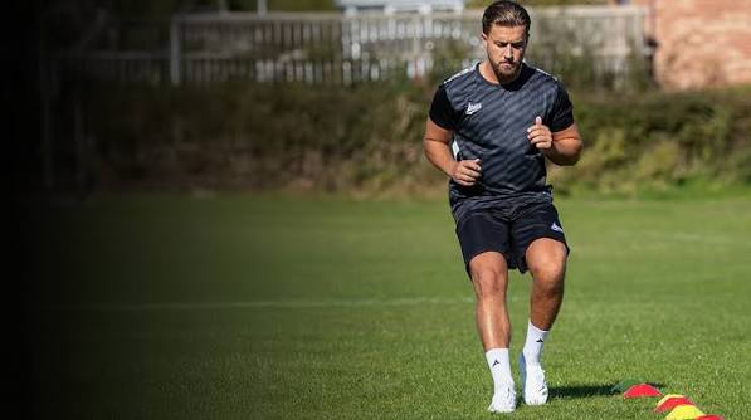
How to play football without getting tired is not about trying to run as much as possible. Instead, it depends on how well you manage your energy, your movement technique, and your overall fitness. When watching truc tuyen bong da, players can observe how professionals conserve energy in different situations. Socolive TV is also a platform where fans regularly follow quality matches to learn from real-world playing experiences.
Why do many players quickly run out of energy when playing football?
Football is a sport in which exercise intensity changes constantly. During a match, players must jog, accelerate, challenge opponents, change direction, and sometimes perform repeated sprints. Without controlling their movement intensity, they can easily become exhausted after a relatively short period.
One common reason is running too much at the wrong time. Beginners often tend to chase the ball everywhere, even when the situation does not require their involvement. This keeps their heart rate elevated and causes muscle glycogen to be depleted more quickly.
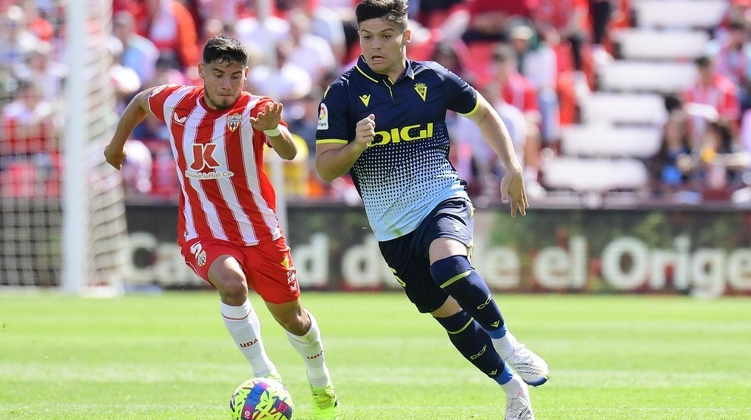
Poor running technique can also lead to inefficient energy use. Taking excessively long strides, keeping the body tense, or repeatedly accelerating and stopping abruptly puts more stress on the muscles than necessary.
Diet, rest, and warm-up routines also directly affect the ability to maintain stamina. Someone who does not get enough sleep or takes the field without sufficient energy will find it difficult to apply ways to play football without getting tired effectively, even if their individual skills are good.
How to play football without getting tired by managing your energy effectively
To maintain endurance, players need to understand that not every moment on the pitch requires maximum effort. Soco Live often clearly demonstrates how top players adjust their speed at different stages of a match.
Do not chase the ball in every situation
One of the key principles of playing football without getting tired is avoiding unnecessary running. Instead of constantly chasing the ball, players should observe the positions of teammates, opponents, and available space before deciding where to move. When the team controls the ball in an area that is not directly relevant to their position, they only need to move lightly to maintain the team’s shape. These deliberate periods of reduced activity allow the body to recover while the match is still in progress.
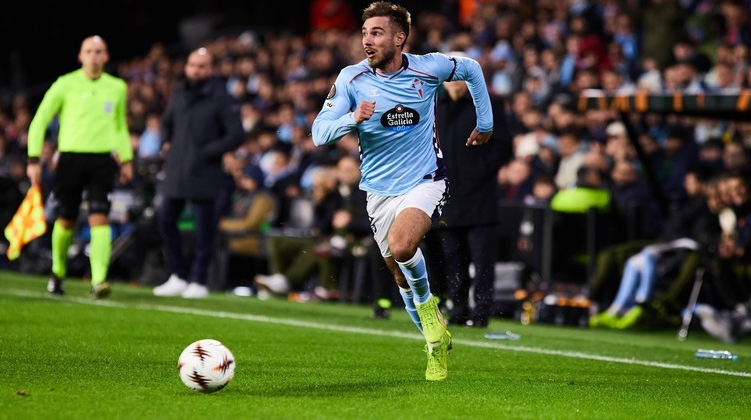
Choose the right moment to accelerate
Sprinting consumes a great deal of energy, so it should only be used when the situation genuinely calls for it. Forwards can accelerate when breaking the offside trap, defenders need to sprint when opponents exploit dangerous spaces, while midfielders should prioritize short movements to create passing angles. By watching matches on SocoliveTV, players can easily see that professionals do not run at full speed continuously. Instead, they carefully choose when to make explosive runs.
Move intelligently instead of simply moving more
A player with good positional awareness may run less while still contributing effectively to the match. Anticipate the direction of the ball, move early into areas where the next action is likely to occur, and maintain appropriate distances from teammates. This is an important part of playing football without getting tired because being in the right position significantly reduces the need for recovery runs or sudden acceleration when caught out of position.
Maintain a steady breathing rhythm during exercise
Many amateur players start breathing rapidly through their mouths as soon as they feel tired. This can make their breathing increasingly difficult to control. When running at a moderate intensity, maintain deep, steady breaths and coordinate inhalation and exhalation with your strides. After a sprint, gradually slow down instead of stopping completely. Walking or jogging slowly for a few dozen seconds helps the body recover before the next situation.
Build fitness to play football for longer
The ability to maintain energy on the pitch cannot be improved only on match day. Players need to build a fitness foundation through regular training sessions while paying attention to nutrition and recovery. Socolive Tivi offers plenty of matches that viewers can watch to observe how players maintain their activity levels throughout 90 minutes.
Light jogging two to three times a week is a basic way to improve cardiovascular endurance. However, football involves intermittent bursts of activity, so running at a steady pace alone is not enough. Players should also incorporate interval running, such as sprinting for around 20–30 seconds before switching to a slow jog and repeating the cycle.
This exercise more closely resembles the actual rhythm of football, where players frequently switch between walking, jogging, and accelerating. With consistent training, the body will adapt better to periods of high-intensity activity.
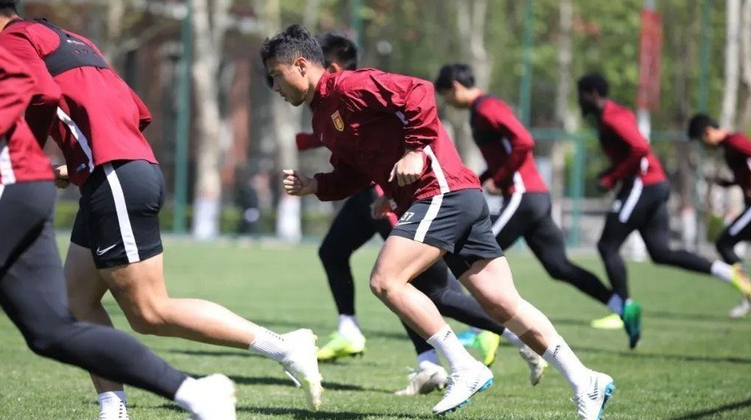
Leg exercises such as squats, lunges, and calf raises are also useful. Strong leg muscles help make each running stride more energy-efficient and support balance during physical challenges. When checking tỷ lệ kèo malaysia before major matches, viewers can also pay attention to a team’s fitness, especially during periods with a packed fixture schedule.
Before taking the field, warm up for at least 10–15 minutes with joint rotations, short steps, and brief accelerations. A proper warm-up gradually prepares the body to move from a resting state to intense activity, helping prevent early exhaustion.
How do food and hydration affect stamina?
Nutrition plays an important role in playing football without getting tired because the body needs sufficient energy to sustain physical activity. Around two to three hours before a match, players can eat a moderate meal containing rice, noodles, potatoes, or other easily digestible carbohydrate sources, along with an appropriate amount of protein.
Avoid eating too much shortly before kickoff because the digestive system will be working harder, making the body feel heavy. Conversely, skipping a meal or drinking only coffee before playing can cause blood sugar levels to drop quickly and lead to fatigue.
Hydration should begin before the match rather than waiting until you feel thirsty. If you play in hot weather or for an extended period, you can consume a moderate amount of an electrolyte drink to replenish minerals lost through sweat.
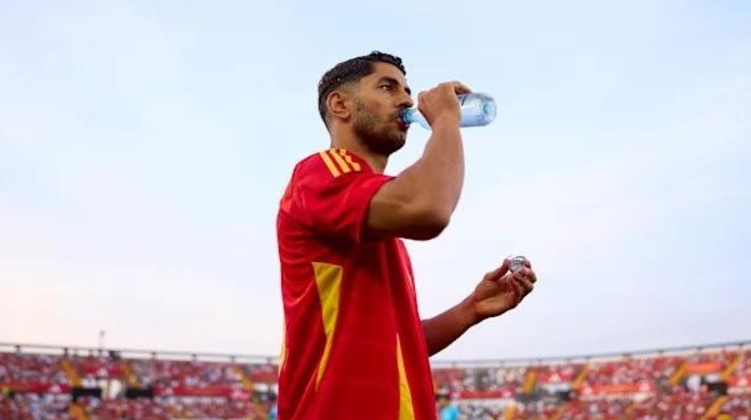
During the halftime break, avoid drinking too much water at once. Take small sips so your body can absorb the fluid more comfortably without making you feel bloated. These seemingly minor details can have a significant effect on your ability to maintain endurance.
When watching truc tuyen bong da on Soco Live TV, viewers may notice that professional players often use stoppages to drink water or regulate their breathing. For amateur players, taking short recovery breaks during a match can offer similar benefits.
Rest is also part of improving fitness
Training extensively without sufficient recovery can reduce fitness rather than improve it. After high-intensity football sessions, muscles need time to repair minor damage and replenish the energy they have used.
Getting seven to eight hours of sleep each day helps the body recover more effectively. If you need to play several matches in a week, schedule lighter activity days between them instead of continuing to run or perform heavy leg workouts.
Players should also recognize signs of overtraining, such as prolonged muscle soreness, unusually heavy legs, reduced speed, or feeling tired at the beginning of a training session. In these situations, reducing the intensity for one or two days is often more effective than forcing yourself to continue training.
For people who regularly follow tỷ lệ kèo malaysia, fixture congestion is also worth considering when assessing a team’s ability to maintain its performance. Similarly, in amateur football, the denser the match schedule, the more important recovery becomes. Socolive helps fans follow more matches and better understand how fitness affects performance at different stages of a game.
Conclusion
Learning how to play football without getting tired requires a combination of effective energy management, intelligent movement, fitness training, proper nutrition, and adequate recovery. Instead of trying to run continuously, focus on the runs that genuinely make a difference during the match. By watching matches featured on Socolive TV, players can also learn how professionals conserve energy and maintain their performance until the final minutes.